
Why Is Networking Infrastructure So Important?
In today’s homes, networking infrastructure is no longer a background technical consideration — it is the backbone that every modern system relies on. From streaming TV and music to smart lighting, heating, security, and remote working, a well-designed network determines whether a home feels seamless or frustrating.
Yet, networking is still one of the most underestimated parts of a home build or renovation. Clients will invest heavily in beautiful interiors, automated blinds & curtains, premium TVs, high-end audio, and smart automation, only to connect it all through the basic router supplied by their internet provider. The result is predictable: slow speeds, dropouts, buffering, and unreliable control.
So why does networking infrastructure matter so much?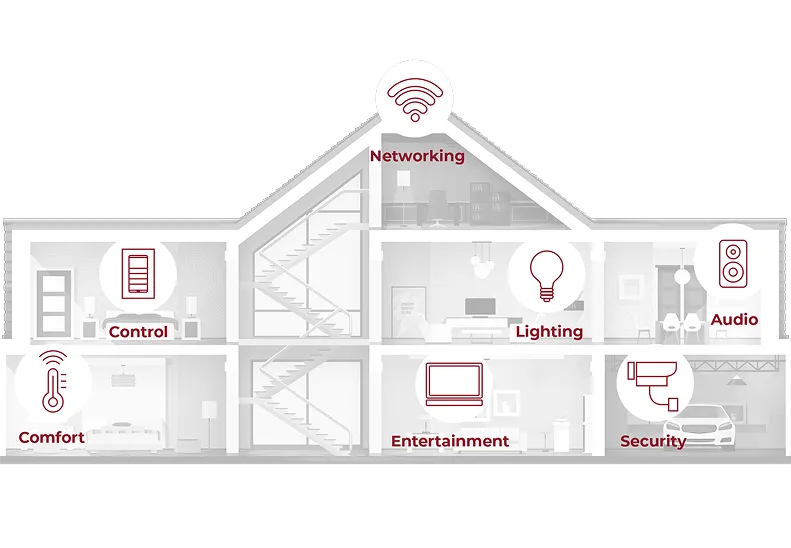 Every Smart System Depends on the Network
Modern homes are fundamentally IP-based. Televisions, AV receivers, music systems, lighting control, blinds, alarms, CCTV, heating, doorbells, and even appliances now communicate over the network.
If the network is unstable, everything suffers.
A strong networking infrastructure ensures:
- Reliable streaming with no buffering or dropouts
- Instant response from lighting and control systems
- Stable video calls and remote working
- Consistent performance across the entire property
- Secure remote access and monitoring
In short, the network is the foundation that allows all other systems to perform as designed.
Wi-Fi Coverage Is Not the Same as Wi-Fi Quality
One of the biggest misconceptions is that Wi-Fi issues can be solved by simply adding boosters or mesh devices. While these can help in small homes, they are not a substitute for a properly engineered network.
No matter what speed your provider is claiming your broadband comes in at, the important part is how it is distributed around your home.
One of the most common mistakes we see is homeowners investing in professional-grade Wi-Fi access points, but leaving a basic router supplied by their internet provider at the centre of the system. Put simply, having professional grade access points but a cheap ISP router is like putting Pirelli tyres on a Peugeot 107. The components around it may be capable, but the overall performance is still limited by the weakest part of the setup!
A properly designed network uses a dedicated router, managed switches, and hard-wired access points positioned throughout the property. This creates consistent coverage, faster response times, and the ability to handle multiple devices and systems operating simultaneously — without dropouts or buffering.
Reliability, Security, and Remote Management
A professionally specified network is not just faster — it is more reliable and more secure.
Enterprise-grade networking hardware offers:
- Better protection against cyber threats
- Improved uptime and automatic recovery
- Monitoring and diagnostics to identify issues before they become problems
- Remote management, allowing support without unnecessary site visits
For homeowners, this translates into peace of mind and a system that “just works”.
Networking Should Be Planned, Not Added Later
Networking infrastructure is most effective when designed early — ideally at first-fix stage. This allows for:
- Clean cabling routes
- Discreet access point placement
- Centralised equipment locations
- A network that complements the architecture and interior design
Retrofitting is always possible, but planning ahead delivers a far more refined result.
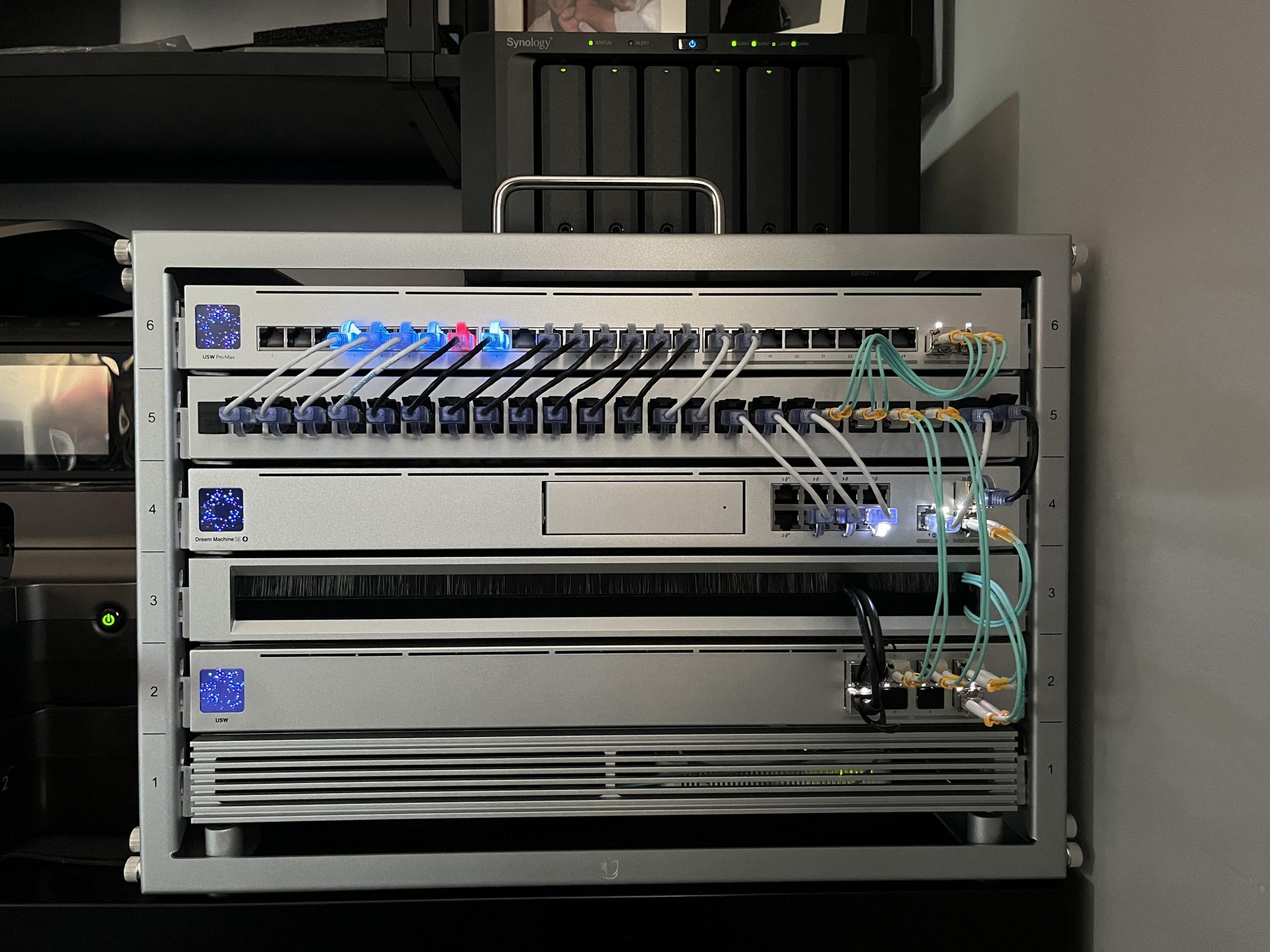
The Foundation of a Truly Smart Home
At its core, networking infrastructure is not about speed tests or technical jargon. It is about experience.
A properly designed network ensures that your smart home feels intuitive, responsive, and dependable — whether you are watching a film, hosting guests, working from home, or travelling abroad.
If you are investing in high-quality AV, lighting, or automation, investing in the right networking infrastructure is not optional. It is essential.
As homes continue to become more connected, network demands only increase. A professional networking infrastructure ensures reliability today, scalability for the future, and a smart home that works seamlessly in the background, exactly as it should.
Contact us today to discuss how we can upgrade and future-proof your network.