
Renovating a home presents the perfect opportunity to upgrade everyday comfort—and motorised blinds and curtains are one of the most impactful improvements you can make. Beyond aesthetics, automated shading enhances privacy, light control, energy efficiency, and overall ease of living.
However, in renovated spaces, the decision isn’t just blinds vs curtains—it’s also about wired versus wireless technology, and how each approach fits within the constraints of an existing building. Understanding these differences early can save cost, disruption, and compromise later in the project.
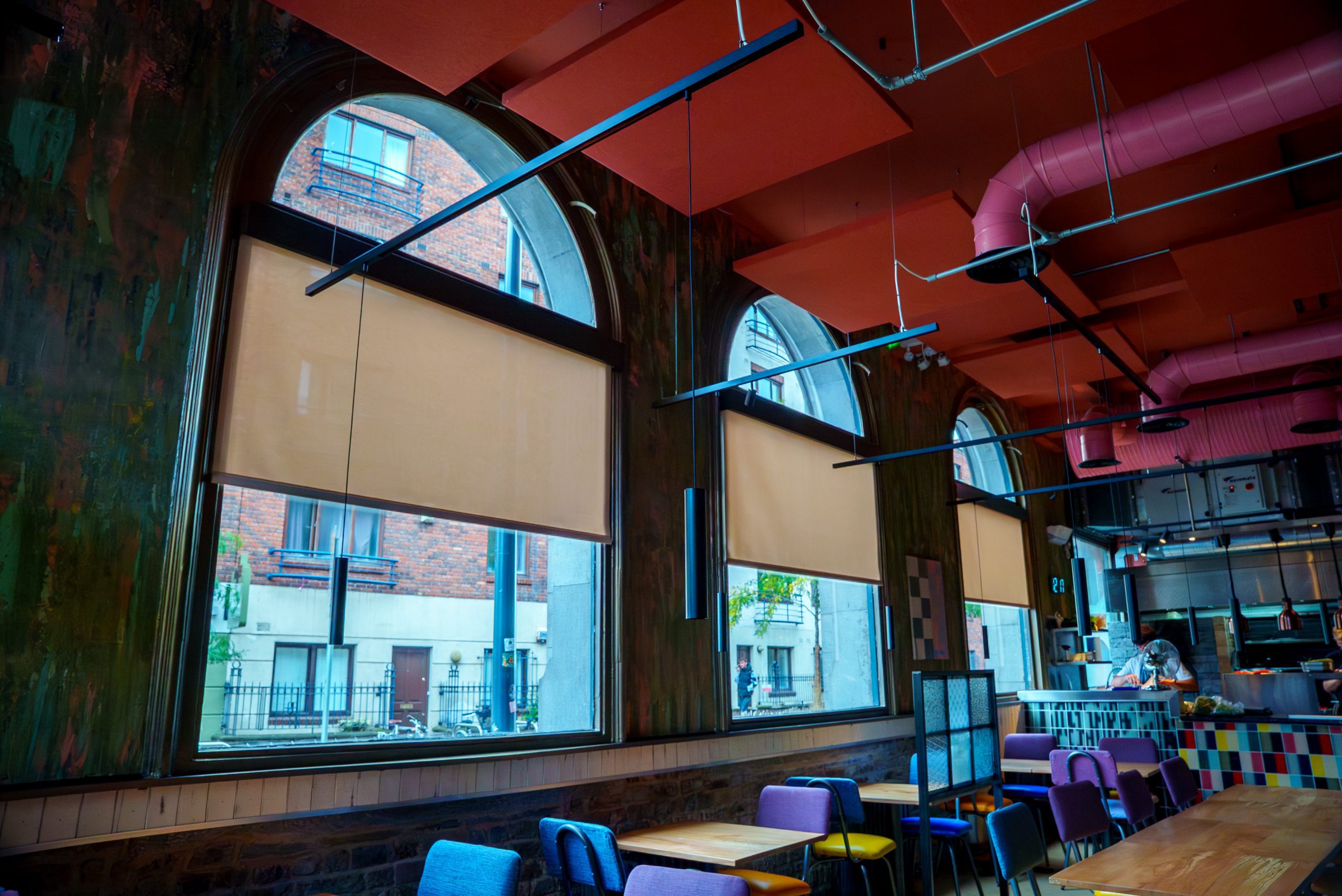
Motorised blinds in renovated homes
Motorised blinds are often the preferred choice in renovated properties with contemporary interiors or large areas of glazing. Roller, Roman, or venetian blinds sit close to the window, preserving views while delivering precise daylight control.
In renovation projects, wireless motorised blinds are particularly popular. Battery-powered solutions avoid the need to chase walls or lift floors, making them ideal where finishes are already in place or disruption must be kept to a minimum. They are also well suited to heritage homes or apartments where structural work is limited.
That said, where ceilings are already being opened or electrical upgrades are part of the renovation, wired blinds can be an excellent long-term solution. Hard-wired systems remove the need for battery changes and are definitely the way to go for large homes or frequently used windows.
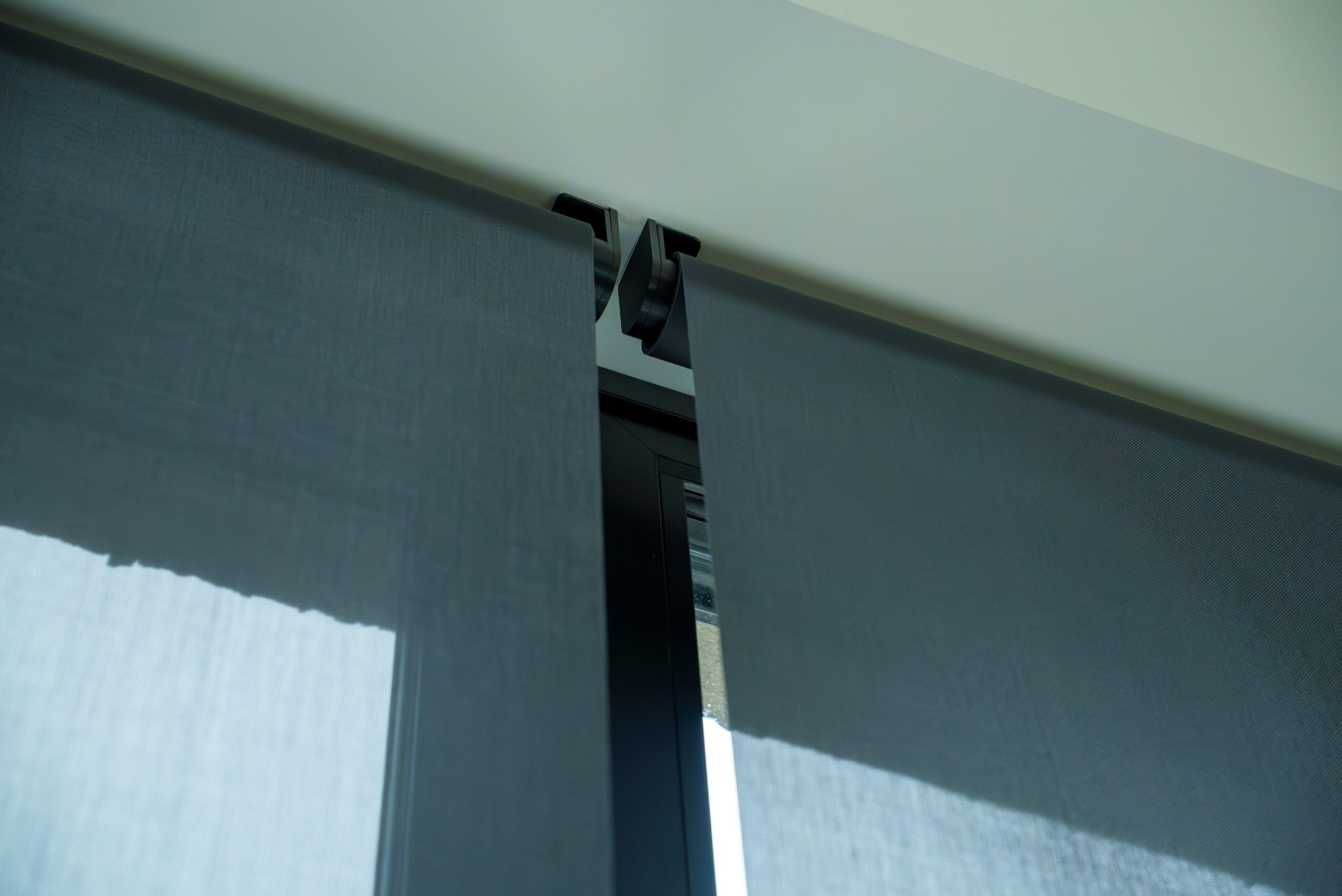
Motorised curtains: softness and architectural presence
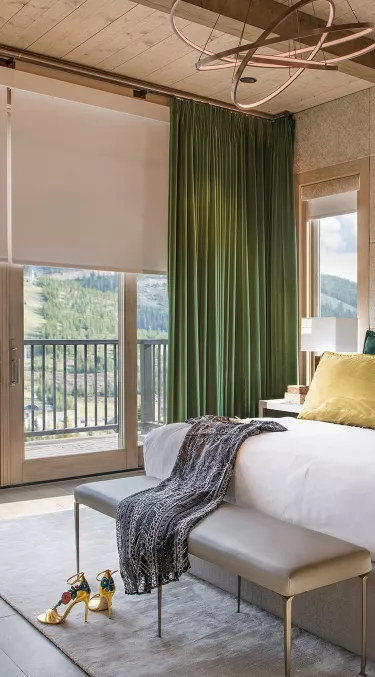
Motorised curtains bring a sense of softness and luxury that blinds alone can’t always achieve. They are particularly effective in living rooms and bedrooms, where layered fabrics—such as sheers paired with blackout curtains—offer both ambience and functionality.
Curtain tracks are often integrated into ceiling recesses or pockets, making them a strong visual feature in high-quality renovations. Because of this, wired curtain track systems are commonly specified when ceilings are already being modified, allowing for seamless concealment and robust performance with heavier fabrics.
In situations where ceilings cannot be disturbed, wireless motorised curtain tracks remain a viable option. These are especially useful in retrofit projects, though access for battery servicing should be factored into the design from the outset.
Wired vs wireless motorised shading: what works best in renovations?
Choosing between wired and wireless technology is one of the most important decisions in a renovation project.
Wireless motorised blinds and curtains are best suited to:
- Renovated homes with finished walls and ceilings
- Heritage or listed properties
- Projects prioritising minimal disruption
- Faster installation timelines
Wired motorised shading works best when:
- Ceilings or walls are already opened up
- Recessed blind or curtain pockets are planned
- The renovation includes wider lighting or automation upgrades
- A maintenance-free, long-term solution is preferred
A major advantage of Lutron systems is that wired and wireless solutions can coexist within the same property, allowing each window to be treated according to its location, usage, and construction constraints.
Blinds or curtains: which should you choose?
In many renovated homes, the answer isn’t one or the other—it’s a combination of both. Blinds may be used for precise daylight control on large glazed elevations, while curtains add softness and drama in key living spaces.
The most successful renovations consider motorised shading early in the design process, before ceilings are closed and finishes finalised. Early planning ensures the chosen solution integrates beautifully with the architecture rather than feeling like an afterthought.
Final thoughts
Motorised blinds and curtains are no longer just a luxury—they are a practical, design-led upgrade that complements modern living. In renovated spaces, the right choice depends on understanding the building, the scope of works, and the balance between wired and wireless technology.
With the right specification, automated shading can enhance comfort, protect interiors, and elevate the overall experience of your home for years to come.
If you would like help specifying your shading solution, please contact us today.