
Modern lifestyles have dramatically changed how we experience light. While much of the focus around sleep disruption centres on our screen-time and blue light, household lighting also plays a very important role. Understanding how circadian rhythm lighting and blue light interact can help homeowners make better decisions about lighting design, control, and long-term wellbeing.
What Is Circadian Rhythm?
The circadian rhythm is the body’s internal 24-hour clock, regulating sleep, wakefulness, alertness, hormone release, and body temperature. When light starts to fade, our body produces melatonin – the hormone that signals our body it’s time for sleep. So, light is the strongest external signal influencing this system.
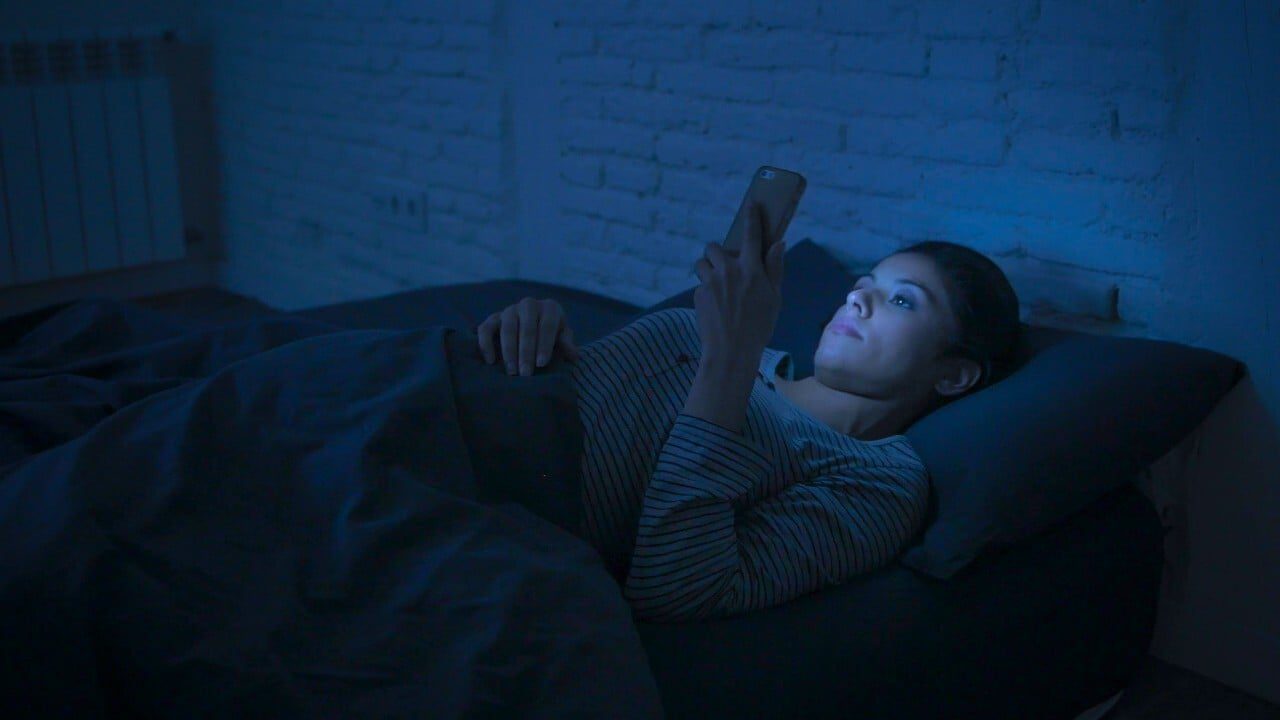
Specialised cells in the eye are highly sensitive to blue-wavelength light, signalling the brain to suppress melatonin – this response is beneficial during the day, but disruptive when triggered late in the evening… so you can imagine the effect late night screen time has on a lot of us!
Why Blue Light Affects Sleep
Blue-enriched light promotes alertness and cognitive performance during daylight hours. However, prolonged exposure to cool, bright lighting in the evening can delay sleep onset and reduce sleep quality by suppressing melatonin production.
Many homes still rely on static lighting — one fixed colour temperature used from morning through night. This means stimulating, blue-rich light often remains on long after sunset, working against the body’s natural wind-down process.
How Tuneable Lighting Supports Circadian Health
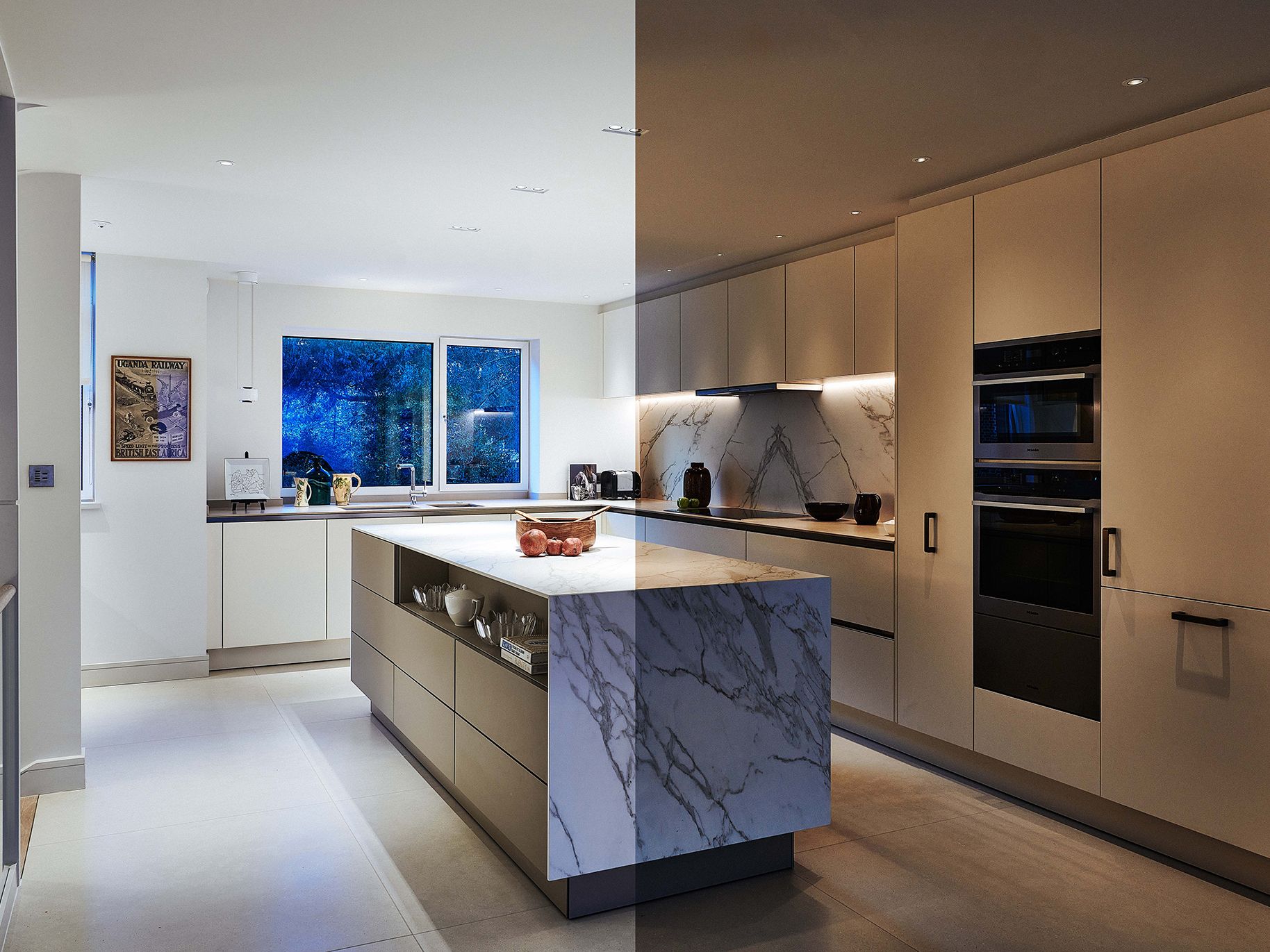
Tuneable lighting allows both colour temperature and brightness to adjust throughout the day, closely mirroring natural daylight patterns:
- Morning and daytime: brighter, cooler light to support focus and energy
- Evening: warmer, dimmer light to reduce circadian stimulation and prepare the body for sleep
When paired with intelligent lighting control, these transitions happen automatically — removing reliance on manual dimming or behavioural discipline.
The Role of Orluna Lighting
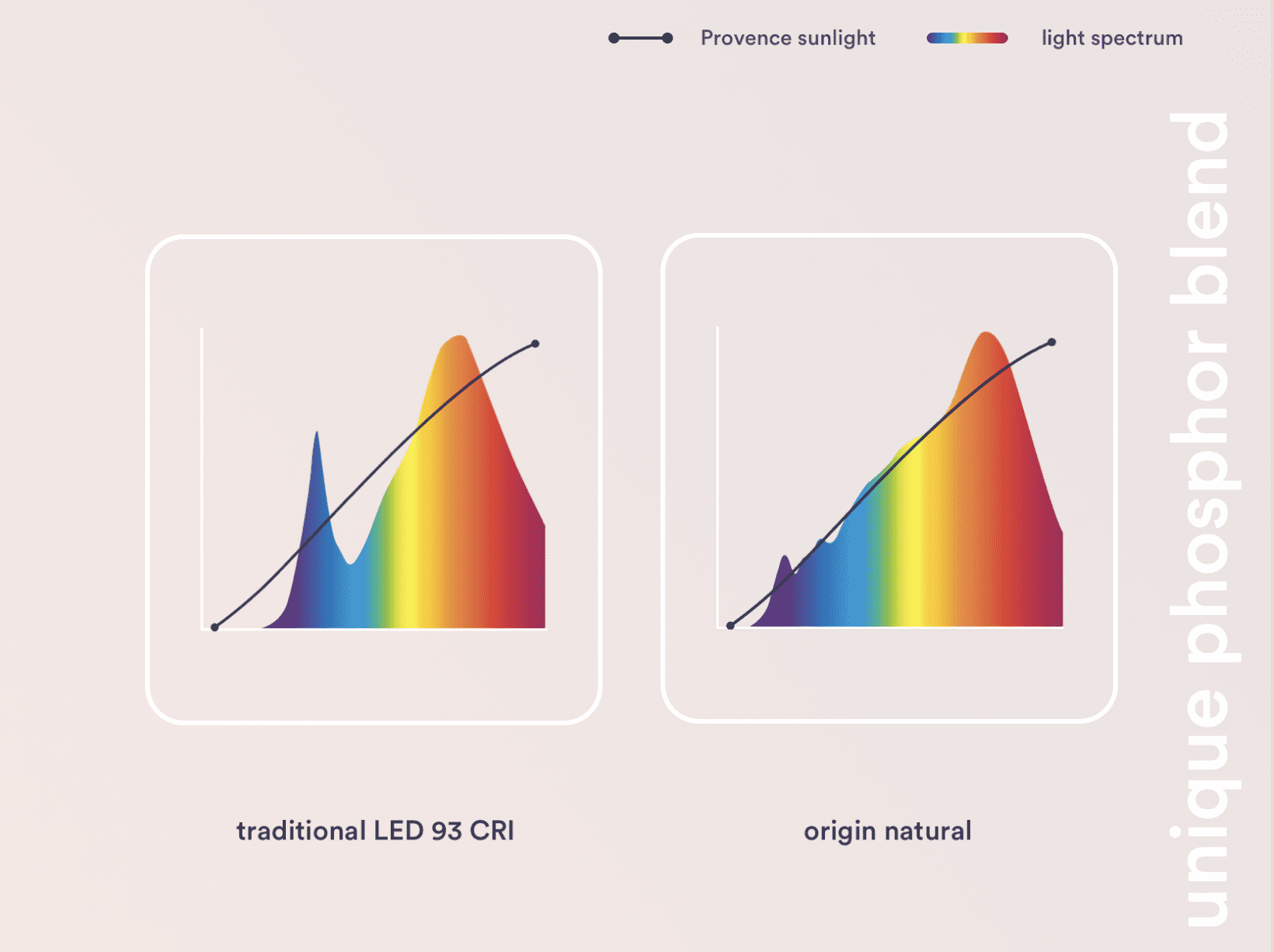
Orluna lighting is designed with both performance and wellbeing in mind. Their use of spectral data and circadian-aware lighting profiles illustrates how controlled light output can reduce unnecessary blue-light exposure during evening hours, without compromising visual comfort or design quality.
Combined with a lighting control system, Orluna luminaires enable homes to respond dynamically to the time of day — supporting healthier circadian rhythm lighting in everyday living spaces.
Lighting as Part of Better Sleep Routine
While lighting alone does not determine sleep quality, it is one of the most effective and controllable factors. Poor sleep is often linked to a combination of light exposure, screen use, inconsistent routines, stress, and environment.
By aligning indoor lighting with circadian biology, homeowners can create spaces that feel calmer in the evening, more energising during the day, and better suited to long-term wellbeing.
Check out this graph from Orluna, it displays the difference in blue-light omission in standard light fixtures compared to their light fixtures:
Conclusion
As awareness around sleep health grows, lighting design is evolving beyond aesthetics and brightness. Circadian rhythm lighting and blue light control are becoming essential considerations in modern homes. With tuneable lighting, intelligent control, and thoughtfully engineered products such as Orluna, lighting can actively support how we live — and how well we sleep.
If you are currently starting a build and want to discuss wellness lighting, contact us about how we can help you incorporate tuneable light into your project.